

Owning Vs Renting
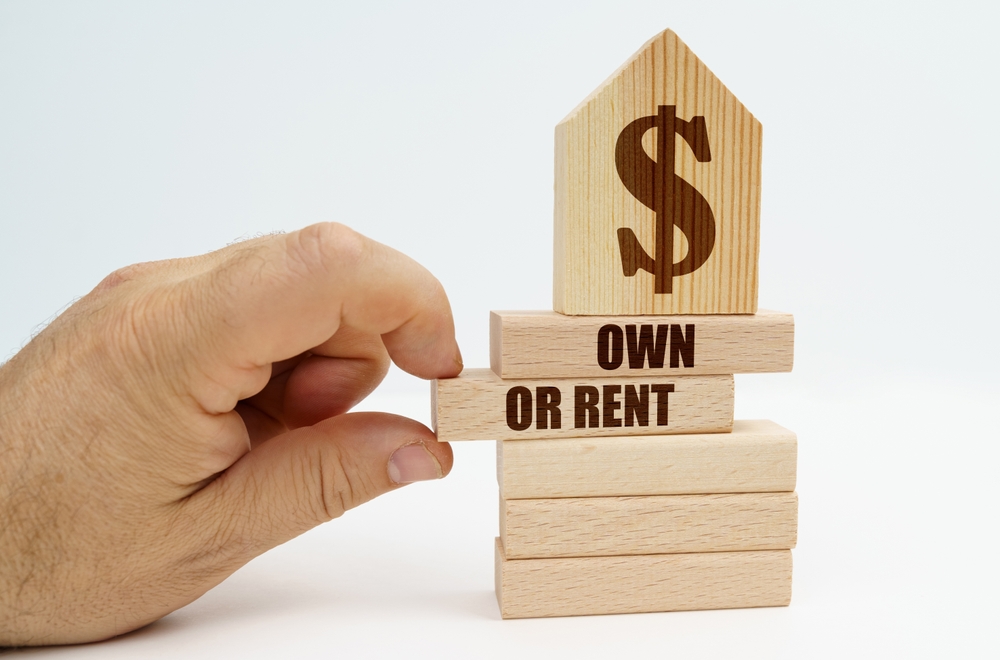
The decision between home buying vs. renting is one of the most important financial choices people face, especially in a dynamic location like Las Vegas. The city’s appeal goes far beyond the neon lights of the Strip. It has a growing economy, a strong sense of community in its suburban neighborhoods, and a diverse range of properties, from luxury homes in gated communities to horse properties on sprawling lots. Understanding the advantages and challenges of both owning and renting can help first-time homebuyers, investors, and families make informed decisions about their future.
The Landscape of the Las Vegas Housing Market
Las Vegas real estate has been known for its ups and downs, yet it remains one of the most intriguing markets in the country. Population growth, steady employment opportunities, and its status as a global entertainment hub contribute to the demand for housing. The Las Vegas housing market includes everything from affordable starter homes to multi-million-dollar luxury homes. Because of this variety, both renting and buying have strong footholds in the region.
For renters, the appeal traditionally lay in flexibility, but that’s no longer the reality for many. The cost of renting in Las Vegas has skyrocketed in recent years, and navigating the market has become more difficult. On the other hand, homeownership provides the opportunity to build home equity over time. With property values appreciating in many neighborhoods, buyers see their homes not just as places to live but also as long-term investments.
Another factor influencing the market is mortgage pre-approval. With competitive demand, buyers need to be ready to act quickly. Having a mortgage pre-approval letter in hand gives buyers a strong edge over others, particularly in bidding wars for desirable properties.
Advantages of Owning a Home in Las Vegas
One of the most compelling reasons to buy a home is the potential to build wealth through home equity. Unlike rent payments that go entirely to the landlord, monthly mortgage payments gradually increase a homeowner’s equity stake. For many, this is one of the most powerful ways to secure long-term financial stability.
Las Vegas real estate also offers a wide spectrum of property types. First-time homebuyers might start with modest homes or condos in suburban communities, while seasoned buyers may look at horse properties with ample land or luxury homes in exclusive neighborhoods. The variety means buyers can find properties that align not just with their budget but also with their lifestyle.
Another advantage is stability. Homeowners do not have to worry about landlords raising rent unexpectedly or deciding to sell the property. Instead, they can plan their finances around a fixed-rate mortgage, and with property taxes and insurance factored in, they can project long-term housing costs more accurately.
For investors, purchasing rental homes in Las Vegas can be particularly attractive. The city draws new residents every year, and rental demand remains high, which makes investment properties a viable income stream. Homeownership, in this case, is not just about having a place to live; it’s a strategy to generate passive income and build lasting wealth.
The Reality of Renting in the Las Vegas Market
While renting was once seen as a flexible alternative to buying, the reality in Las Vegas tells a different story. Renting has become increasingly challenging, expensive, and unpredictable. Recent changes in local property management regulations have shifted the balance even further, making it one of the hardest rental markets in the country.
Unlike in many other cities, trying to get into a rental in Las Vegas can actually be more expensive than making a down payment on a home. Property managers are now allowed to charge any application fee they choose, and these fees are non-refundable. This means a renter may apply to ten or twenty properties at $100 per application and lose every dollar even if their application is never processed or the unit rents to someone else.
The financial burden does not stop there. Renters face multiple deposits and fees before they even move in. Property managers often require a security deposit, a deposit for keys or gate openers, the first and last month’s rent, cleaning fees, administration fees, and pet deposits, all of which can be non-refundable. On top of these upfront costs, renters may also be charged monthly pet rent and other administrative fees that add up quickly.
As a result, many renters find themselves spending thousands of dollars just to secure a property. The total amount can easily surpass the funds needed for a down payment on a modest home. Furthermore, the monthly rental rates in Las Vegas are often higher than typical mortgage payments for comparable homes.
These conditions have made renting a less practical and less affordable option. Instead of providing freedom or financial relief, renting in Las Vegas can feel like throwing money into a system designed to offer little return. Homeownership, on the other hand, offers an opportunity to invest in one’s future, build home equity, and escape the unpredictability of escalating rental fees.
Factors First-Time Homebuyers Should Consider
For first-time homebuyers, the decision between home buying vs. renting can feel overwhelming. One of the first steps is understanding mortgage pre-approval and how it impacts buying power. A pre-approval demonstrates to sellers that buyers are serious and financially capable of completing the transaction, which is crucial in a competitive market like Las Vegas.
Budget is another consideration. Buyers must look beyond the mortgage payment to account for property taxes, homeowners insurance, HOA fees, and maintenance costs. Those transitioning from renting may underestimate these expenses, but even with these costs, homeownership often remains more affordable in Las Vegas than renting.
Home equity is also an important concept for first-time homebuyers to understand. Building equity is not immediate, but over time, it becomes a financial asset that can be tapped for future needs, such as home renovations or education costs.
Another factor unique to Las Vegas is property type. While some buyers may be interested in suburban homes with backyards, others may prioritize horse properties with enough space for equestrian activities. Luxury homes appeal to those seeking prestige and amenities, while investment properties attract buyers looking for rental income. The diversity of options requires careful consideration of long-term goals.
Finally, first-time buyers must consider timing in the Las Vegas housing market. Seasonal trends, interest rates, and local demand can all influence pricing and availability. Working with experienced real estate professionals helps new buyers navigate these complexities and avoid costly mistakes.
Long-Term Wealth Building Through Real Estate Investment
The Las Vegas housing market is more than a place for primary residences. It is also a hub for real estate investors. Investment properties, whether they are single-family homes, condos, or multi-unit buildings, can provide reliable income streams. With a consistent influx of new residents and demand for rentals, investors often see strong returns.
Owning investment properties also contributes to long-term wealth through appreciation. As neighborhoods grow and develop, property values tend to rise. Home equity builds not only through mortgage payments but also through increasing property values. This makes Las Vegas an appealing destination for both local and out-of-state investors.
Luxury homes are another area of interest. High-net-worth buyers are drawn to Las Vegas for its lifestyle, entertainment, and favorable tax environment. These properties often serve dual purposes as both residences and investment assets that retain or increase in value over time.
Even horse properties, while niche, hold value for a specific segment of buyers. Their unique features make them attractive to equestrian enthusiasts who see them as both lifestyle choices and long-term assets.
Conclusion
Deciding between owning vs. renting in Las Vegas requires careful consideration of financial goals, lifestyle preferences, and long-term plans. While renting might appear to offer flexibility, the reality is that the current Las Vegas rental market is one of the most expensive and restrictive in the nation. High application fees, non-refundable deposits, and rising monthly rents have made it increasingly difficult for renters to find affordable housing.
In contrast, homeownership provides stability, control, and the ability to build home equity. With options ranging from starter homes to luxury homes and horse properties, the Las Vegas housing market offers opportunities for every type of buyer. First-time homebuyers, in particular, can benefit from understanding mortgage pre-approval, exploring investment properties, and working with professionals who understand the local landscape.
Ultimately, the path to owning a home in Las Vegas offers more than just a place to live; it provides financial freedom and the foundation for long-term wealth. In today’s market, buying a home is not only a smart investment but also a more practical and rewarding choice than renting.
Need a Local Realtor Near You?
Looking to make your next move in the Las Vegas real estate market? Let us guide you every step of the way! At Realty One Group – The Malone Team, we combine local expertise with personalized service to help you buy or sell your home confidently in Las Vegas, Henderson, Summerlin South, or North Las Vegas. Our experienced agents are committed to making your experience seamless and successful, whether you’re a first-time homebuyer or a seasoned seller. Reach out to us today and let’s turn your real estate goals into reality!