Las Vegas is a city known for its energy, entertainment, and endless sunshine, but it is also becoming increasingly known for its dynamic and competitive real estate market. Whether you are relocating from another city, upgrading from a starter home, or finally entering the market as a first-time buyer, understanding the local landscape is key to making smart decisions.
The market in Las Vegas can shift quickly depending on interest rates, inventory, and demand. At times, it may be a buyer’s paradise, with ample choices and negotiable prices. At other times, it can be a seller’s market, with homes flying off the market in days and multiple-offer scenarios becoming the norm. This is why working closely with a local expert is essential. They can guide you through current pricing trends, neighborhood characteristics, and which areas are gaining traction in terms of value and livability.
What sets Las Vegas apart is its variety of home types and locations. From high-rise condos on the Strip to sprawling horse properties in more rural areas, there truly is something for everyone. The suburban areas like Summerlin, Henderson, and North Las Vegas each offer a distinct lifestyle and pace. Understanding how these communities differ in terms of schools, amenities, commute times, and property taxes can be the difference between loving or merely tolerating your new home.
Getting Started: Pre-Approval and the Right Mindset
Before you fall in love with that Spanish-style two-story in Green Valley or a sleek modern home in the Arts District, there’s an important first step: mortgage pre-approval. This not only confirms your buying power, it helps focus your search and makes your offers more compelling to sellers. In competitive neighborhoods, having a pre-approval letter ready can be the difference between winning and losing a home.
Some buyers are hesitant to get pre-approved too early, but this can lead to disappointment. Imagine finding your dream home only to realize you’re not ready to make an offer because your financials aren’t in order. Lenders will look at your income, debts, credit score, and employment status to determine what you qualify for. This doesn’t mean you should max out your budget, but it does help define your comfort zone.
Just as critical as finances is your mindset. Buying a home in Las Vegas requires patience, flexibility, and clarity on your priorities. List your “must-haves” and “nice-to-haves,” but stay open. Many buyers find their ideal home looks different than what they originally imagined. Sometimes a property that checks fewer boxes on paper ends up being the perfect fit in person. Trust the process, and trust your agent to show you options you may not have considered.
Crafting the Offer: Strategy Over Emotion
Once you find a home that speaks to you, the next step is crafting an offer that is both strong and strategic. In a competitive market, this goes beyond price. Sellers also care about timing, contingencies, and how solid the buyer looks overall. Having an agent who understands the art of negotiation, the psychology of sellers, and the nuances of Las Vegas contracts is invaluable.
It helps to understand the seller’s motivation. Are they relocating and need a quick close? Are they emotionally attached to the home and want a buyer who appreciates its quirks? Do they have multiple offers on the table? These are details your agent can uncover and use to shape your offer in a way that makes it stand out, even if you’re not the highest bidder.
Your earnest money deposit, which demonstrates your commitment to the transaction, should also reflect how serious you are. In Las Vegas, this is typically around 1 percent of the purchase price but can vary. That deposit will be credited toward your closing costs or down payment if the deal goes through, and it shows sellers that you’re not likely to back out without cause.
Contingencies are another key component. These are the conditions that must be met for the transaction to proceed, such as a satisfactory home inspection or appraisal. While it’s important to protect your interests, keeping contingencies minimal or offering shorter timelines can make your offer more appealing.
Navigating the Process: Inspections, Appraisals, and Paperwork
Once your offer is accepted, the real work begins. This is when you enter escrow, schedule inspections, finalize your loan, and prepare for closing. In Las Vegas, typical escrow periods range from 30 to 45 days, but this can vary depending on the complexity of the transaction.
One of the most important steps is the home inspection. This will reveal the condition of the property and identify any issues that may need addressing. Don’t panic if the report is lengthy. Most homes, even new ones, have imperfections. Focus on major concerns like roof issues, plumbing, HVAC systems, and structural defects. Your agent will help you decide what’s worth negotiating with the seller.
Next comes the appraisal, which is required by your lender. It ensures the home is worth the amount you’re borrowing. If the appraisal comes in low, you may need to renegotiate with the seller, bring more cash to the table, or challenge the appraisal with additional data.
Throughout the process, your lender will request documentation to finalize your loan approval. This might include updated pay stubs, tax returns, or explanations for any large bank deposits. Delays here can push back your closing, so be proactive and responsive to requests.
Lastly, don’t forget to arrange homeowners insurance, transfer utilities, and schedule a final walk-through. This last step ensures the home is in the expected condition before funds are transferred and keys are handed over.
Closing and Beyond: What Happens After You “Win”
Closing day is when the sale becomes official. You’ll sign all remaining documents, hand over your down payment and closing costs, and receive the keys to your new home. It’s the culmination of weeks of planning, coordination, and (often) a roller coaster of emotions. Expect to sign a lot of paperwork, but don’t worry, the closing agent will guide you through each document.
After closing, the title is officially recorded with Clark County, and you are the legal owner of the property. If you’ve purchased a home with an HOA, now’s the time to connect with them, review their rules, and set up your payments. Make sure to change your address, set up home services, and introduce yourself to the neighbors.
One emotional aspect that can surprise buyers is post-purchase doubt, also known as buyer’s remorse. This is common and usually fades quickly. You just made one of the biggest financial decisions of your life, so it’s natural to second-guess yourself. Just remember why you chose the home in the first place and give yourself time to settle in.
Keep in touch with your real estate agent even after the sale. They can recommend local contractors, help you protest your property taxes if needed, and provide market updates should you want to refinance, rent, or sell in the future.
Conclusion
Buying a home in Las Vegas is both an exciting and serious venture. With a landscape as diverse as the city itself, understanding the local market, preparing your finances, and working with a skilled agent can give you a strong advantage. From securing pre-approval to closing on your dream home, every step plays a crucial role in ensuring the process is smooth and successful.
Las Vegas offers a unique blend of luxury, affordability, and lifestyle options. Whether you’re buying your first home, upgrading to something larger, or searching for a horse property on the edge of the valley, there’s something here for you. With the right guidance and preparation, you can navigate the market with confidence and clarity.
Your journey starts with that first conversation. Reach out to your trusted Las Vegas real estate expert, and take the first step toward finding the perfect home in one of the most vibrant cities in the country.
Need a Local Realtor Near You?
Looking to make your next move in the Las Vegas real estate market? Let us guide you every step of the way! At Realty One Group – The Malone Team, we combine local expertise with personalized service to help you buy or sell your home confidently in Las Vegas, Henderson, Summerlin South, or North Las Vegas. Our experienced agents are committed to making your experience seamless and successful, whether you’re a first-time homebuyer or a seasoned seller. Reach out to us today and let’s turn your real estate goals into reality!
When it comes to preparing your house for sale, the process starts well before a potential buyer ever steps foot inside. In fact, your home’s first impression begins the moment they pull up to the curb. That’s why curb appeal matters more than many homeowners think.
A tidy front yard, clean walkway, and fresh-looking exterior instantly set the tone. If your paint is chipped, the lawn patchy, or the front door weather-beaten, that impression gets downgraded fast. The best way to assess this is to imagine you’re a buyer. Take a drive around the block, approach your home slowly, and notice what catches your eye. Are the gutters clean? Is the house number easy to read? Could the porch benefit from a seasonal potted plant or two?
These small upgrades aren’t about masking imperfections; they’re about highlighting your home’s potential from the start. Buyers often scroll through hundreds of listings online. That first photo of the front of your house can be the make-or-break moment. Don’t lose a sale before they even step inside.
Decluttering Is More Than Just Tidying Up
Once you’ve impressed them from the outside, it’s time to deliver on that promise inside. One of the most overlooked aspects of preparing your house for sale is eliminating clutter. Not just clearing countertops or throwing things in a closet (buyers will look in there), but genuinely editing your living space.
Every room should feel open, spacious, and easy to navigate. Think of this step as creating a blank canvas where buyers can project their own lives. If your countertops are crowded with appliances or paperwork, it’s hard for them to see the space itself. Closets crammed with clothes can make a home appear to lack storage. Overflowing toy bins or mismatched furniture can make even large rooms feel chaotic.
Go room by room, and be honest. Remove items you don’t use, don’t love, or don’t need. Box them up, donate them, or consider renting a storage unit temporarily. The goal is to create space, not just visually, but emotionally, space for the buyer to imagine a new life in your home.
Neutralize the Senses
You may not notice it anymore, but your house has a smell. And depending on your lifestyle, that smell may not be universally appealing. Whether it’s from pets, last night’s dinner, or years of living, odors can be a deal-breaker.
Start with a deep clean. Floors, fabrics, vents, and corners should all be addressed. Sometimes the source of an odor isn’t obvious; it could be the carpet padding or the kitchen trash can. If you have pets, wash their bedding and keep litter boxes pristine. If you smoke, it’s worth investing in professional cleaning or even repainting.
The key here is subtlety. Resist the urge to mask smells with strong air fresheners, candles, or plug-ins. They often signal to buyers that you’re hiding something. Instead, aim for fresh, clean air and neutral scents. Open the windows before showings if weather permits. You want the house to feel breathable, light, and inviting.
Fix What’s Broken, But Don’t Overdo It
It’s easy to become blind to minor issues when you’ve lived with them for years. That leaky faucet, the door that won’t quite close, the cracked tile in the entryway, these might seem like nothing to you, but they send a message to buyers. A house with visible problems, even small ones, can make them wonder what else is lurking under the surface.
Tending to these details is one of the most impactful steps in preparing your house for sale. Fixing what’s broken doesn’t mean embarking on major renovations. It simply means demonstrating that your home has been cared for. A burned-out lightbulb, squeaky cabinet hinge, or stained ceiling tile from an old leak can all be red flags, even if they’re minor.
However, be strategic. Not every repair is worth the investment. Avoid major remodels unless your real estate agent recommends it. For instance, a full kitchen overhaul might not bring the return you expect. Focus on high-impact, low-cost improvements. New caulk in the bathroom, fresh paint in a neutral tone, or updated hardware can go a long way. Ask your agent to walk through the house with you and point out what matters most to buyers in your local market.
Depersonalize So They Can Visualize
Your home is filled with your personality. Family photos, souvenirs from travels, custom art—these make your house feel like home. But when selling, the goal is to make your house feel like someone else’s potential home.
That’s where depersonalizing comes in. Preparing your house for sale means removing anything that reflects your specific lifestyle or beliefs. While you may love your gallery wall or your bold wallpaper, a buyer may not share your taste. Personal décor can distract buyers and make it harder for them to imagine living there.
Remove family photos, niche artwork, and anything controversial or polarizing. Stick to a neutral, universally appealing palette. Consider staging rooms with clean lines and simple furnishings. Keep in mind: the more generic the space, the more inviting it becomes to a wider range of buyers.
This doesn’t mean stripping all character from your home. A vase of fresh flowers, a soft throw blanket, or a tasteful piece of art adds warmth and charm. It’s a balancing act between welcoming and neutral. You’re not erasing your story; you’re creating space for the next one.
Conclusion
Preparing your house for sale is both an art and a science. It’s about showcasing your home’s best features while helping potential buyers see themselves living in it. From curb appeal to the scent in the air, every detail counts. The process doesn’t have to be overwhelming. With careful attention to first impressions, clutter, cleanliness, small repairs, and personal touches, you can present your home in a way that resonates emotionally and visually with buyers.
It’s worth noting that working with a knowledgeable real estate agent early in the process can give you the edge. An agent knows what buyers in your area are looking for and can help prioritize your efforts. Some improvements yield high returns; others may just cost time and money without boosting your sale price. Expert advice helps you walk that fine line.
Remember, you only get one chance to make a first impression. By approaching your sale with thoughtful preparation, you give yourself the best possible chance of a quick, smooth, and profitable transaction. Whether you’re downsizing, relocating, or just ready for something new, setting the stage properly ensures your home puts its best foot forward. And that can make all the difference when it’s time to say goodbye and move on to what’s next.
Need a Local Realtor Near You?
Looking to make your next move in the Las Vegas real estate market? Let us guide you every step of the way! At Realty One Group – The Malone Team, we combine local expertise with personalized service to help you buy or sell your home confidently in Las Vegas, Henderson, Summerlin South, or North Las Vegas. Our experienced agents are committed to making your experience seamless and successful, whether you’re a first-time homebuyer or a seasoned seller. Reach out to us today and let’s turn your real estate goals into reality!
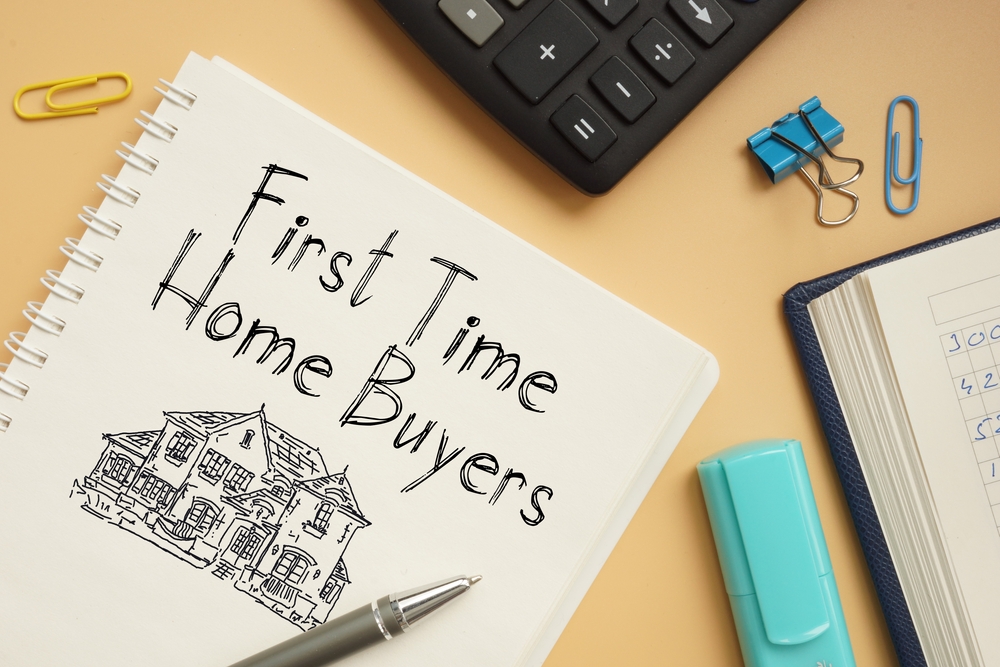
Buying your first home is one of the biggest financial decisions you’ll make. At The Malone Team, we know how thrilling, and intimidating, that can feel. Whether you’re stepping out of a rental or leaving your family home, we’re here to walk you through every step with clarity and care.
We’ve worked with hundreds of first time homebuyers just like you. And while the process isn’t always perfectly smooth, it doesn’t need to be complicated either. Our goal is to make sure you feel confident and informed, from your first showing to the final signature.
Here’s our ultimate guide to help you prepare for a successful homebuying journey.
Start with the Right First Step: Pre-Approval
Before you fall in love with a house online or spend weekends hopping between open houses, take a step back. The most important first move is getting pre-approved for a mortgage.
Pre-approval shows you exactly how much home you can afford, so you don’t waste time looking at properties outside your budget. It also shows sellers you’re serious and ready, giving your offer more weight in a competitive market. Without it, you could find the perfect home and lose it to someone more prepared.
Pre-approval doesn’t take long. You’ll share details about your job, income, savings, and credit. Once that’s complete, you’ll have a much clearer picture of what you can afford and you’ll be in a great position to act quickly when the right home comes along.
Don’t Wait for the “Perfect” Down Payment
Many first time homebuyers worry they don’t have enough saved for a down payment. The truth? You may not need as much as you think.
While 20 percent down used to be the standard, today’s buyers have many more options. Depending on your situation, you might qualify with as little as 3 to 5 percent down. Some programs even offer assistance or incentives to help first time buyers get started with even less.
Waiting to save a larger down payment could cause you to miss out on opportunities, especially if prices or interest rates rise. The best approach is to talk with a lender early. Our team can help you connect with a trusted mortgage advisor who will walk you through your options and tailor a loan strategy based on your goals.
Protect Your Credit and Plan Ahead
A strong credit score can unlock better mortgage rates and terms. But there’s more to the story than just a number. It’s also about what you do once you’ve started the homebuying process.
Once you’re pre-approved, it’s crucial that you avoid making major financial changes. This means no new credit cards, no big purchases, and no new car loans. These can all impact your credit and debt-to-income ratio, which could jeopardize your loan approval. We’ve seen it happen more than once, a buyer makes a big purchase thinking it’s harmless, only to have their loan delayed or denied.
The good news? This is easy to avoid. Once you’re in the process, just keep your financial profile steady. And if you’re unsure about something, ask us or your lender first. We’d rather you check in than face an unexpected issue later on.
It’s All About the Area
You’ve probably heard the saying “location, location, location.” While location is important for resale value, we believe the bigger focus should be “area, area, area.” Why? Because the area you choose impacts your daily life far more than a few dollars of appreciation.
As a first time homebuyer, it’s easy to get swept up in finding the perfect kitchen or the ideal backyard. But we always remind our clients to step back and think about lifestyle. Do you want a short commute? Are great schools important? Do you crave peace and quiet or prefer city energy?
You can always renovate a home. You can’t renovate the neighborhood. Our advice: prioritize the area that fits your lifestyle, then find the best home within it. That’s how you build long-term happiness with your investment.
Commitment Isn’t a Trap
For some buyers, the idea of owning a home feels like a heavy commitment. That hesitation is normal. After all, you’ve probably signed leases, not mortgages, until now. But let us reframe it.
When you rent, you’re still making a commitment. You’re paying every month with no return. When you own, you’re investing in something. And if life changes, you have options. You can sell or rent it out. Owning doesn’t mean you’re stuck forever.
Buying a home is a thoughtful decision, and it should be. If you’re not ready, there’s no shame in waiting. But if you’re just nervous, know that those butterflies are normal. They usually mean you’re responsible and aware, exactly the kind of person who’s ready to own.
Conclusion
At The Malone Team, we believe that buying your first home should be empowering, not overwhelming. The key is being informed, having the right team behind you, and remembering that perfection isn’t the goal, progress is.
Start by getting pre-approved so you understand your budget. Don’t wait around for a massive down payment if you’re financially ready to move forward. Take good care of your credit and avoid financial changes mid-process. Choose an area you’ll love living in, not just a home that looks great online. And don’t let fear of commitment stop you from taking a smart step toward building equity and financial security.
We’ve helped many first time homebuyers just like you, people who were unsure, excited, scared, and hopeful, take the leap and find a place to call their own. And we’re here to do the same for you.
And if you have questions, want to explore your options, or are ready to start the search, reach out to us anytime. We’ll walk the journey with you, every step of the way.
Buying a brand-new home in Las Vegas is exciting. Between modern design, energy-efficient features, and customizable layouts, new construction homes in Las Vegas are among the most desirable options for buyers today. But with excitement comes complexity. The process of purchasing a new build differs greatly from buying a resale property, and without proper guidance, buyers can face hidden costs, tough builder negotiations, or confusing contracts.
At Realty ONE Group – The Malone Team, we specialize in helping clients navigate the Las Vegas new construction market with confidence. From Summerlin to Henderson and beyond, we’ve worked with every major builder and know the ins and outs of Las Vegas new homes for sale. Whether you’re relocating, upgrading, or buying your very first home, this guide will help you understand the key things to know about purchasing new construction.
Understanding the New Construction Process
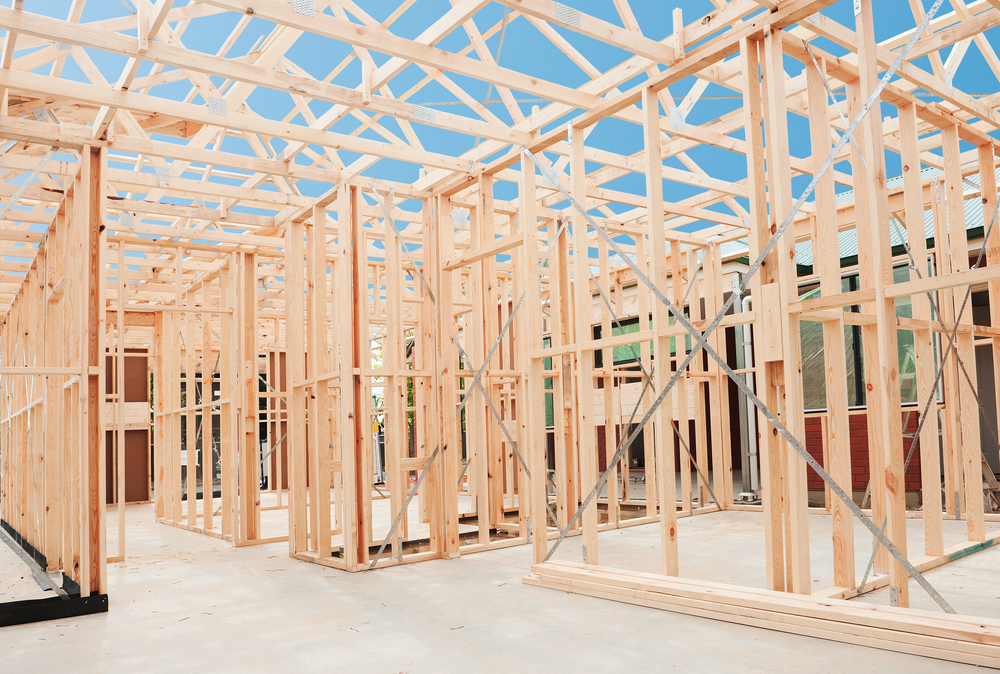
When you buy new construction in Las Vegas, you’re not just buying a house: you’re investing in a process that can take several months or even over a year. Depending on whether you’re purchasing a “spec home” (one already built or nearing completion) or building from the ground up, timelines and options vary greatly.
Spec Homes: These are move-in-ready or nearly finished homes built by the developer. They offer speed and convenience but limited customization.
Semi-Custom Homes: Buyers can choose finishes, flooring, and fixtures from the builder’s design center. This is the most common option in master-planned communities like Cadence, Inspirada, and Skye Canyon.
Fully Custom Builds: This option provides full design control but involves longer timelines and higher costs.
Regardless of which route you take, it’s critical to have a Realtor on your side. Builders have their own sales agents who represent their interests, not yours. Having an experienced advocate ensures your needs and budget remain the priority.
Why You Should Work with a Buyer’s Agent
One of the biggest misconceptions about new construction is that you don’t need a Realtor. Builders often imply that skipping an agent could save you money, but that’s rarely true. As Stephanie Malone explains in our guide “Should You Hire an Agent When Buying New Construction?”, most builders already factor agent commissions into their pricing, meaning you won’t pay extra for representation.
Here’s what a Realtor like The Malone Team does for you:
Protects Your Interests: Builder representatives answer to the builder, not the buyer. Your agent ensures your contract and terms work in your favor.
Negotiates Upgrades and Incentives: Builders may offer appliance packages, lot premiums, or closing cost credits. An experienced agent knows which incentives are worth negotiating.
Clarifies Fine Print: Builders use their own contracts, often favoring their terms. Your agent ensures you understand everything you’re signing and helps negotiate fair protections.
Coordinates Inspections: Even new homes can have issues. A Realtor ensures you include inspection contingencies to verify the build quality before closing.
Simply put, having an experienced Realtor fromRealty ONE Group – The Malone Team helps you avoid costly surprises and gives you peace of mind from start to finish.
Choosing the Right Builder and Community
Las Vegas is known for its wide selection of new home developments, and choosing the right one depends on your lifestyle and goals. The Malone Team has firsthand experience with thebest new home communities in Las Vegas and new construction neighborhoods in Henderson, NV, helping clients match their needs with the right area.
Some of the most sought-after developments include:
Summerlin: One of the most prestigious master-planned communities in the country, known for luxury homes, golf courses, and proximity to Red Rock Canyon.
Inspirada (Henderson): Ideal for families and professionals, featuring parks, trails, and top-rated schools.
Cadence: A growing Henderson community with strong resale value and access to Lake Mead Parkway.
Skye Canyon: Popular among outdoor enthusiasts, offering modern design and a close-knit community atmosphere.
North Las Vegas: Expanding rapidly with affordable new build homes in Las Vegas, NV, and easy freeway access for commuters.
Each community offers something unique, from resort-style amenities to scenic desert views. A local Realtor can help you compare features, builder reputations, HOA fees, and resale potential.
Understanding Pricing, Lot Premiums, and Upgrades
Builders typically advertise a “base price,” which represents the cost of the home without upgrades or lot premiums. Buyers often spend an additional 10–20% on finishes, materials, or upgraded fixtures. Your Realtor can help you evaluate which upgrades are worth investing in and which are best done later.
Key pricing insights from Stephanie Malone’s guide include:
Expect to pay more than the list price, since upgrades and lot locations often raise the final cost.
Don’t assume skipping an agent will get you a discount; the builder has already accounted for agent fees in their budget.
Always get everything in writing, from upgrade details to completion timelines.
Your Realtor can also advise you on when to negotiate for closing cost assistance or design incentives, particularly during slower sales periods when builders are more flexible.
Builder Lenders, Inspections, and Contracts
Many builders offer “preferred lenders” and “in-house” title companies. While these may come with incentives, such as reduced closing costs, buyers are never required to use them. According to The Malone Team’s booklet, some builders may pressure buyers to choose their lender, but it’s important to shop around for the best rates.
Even new homes should be inspected by an independent professional. Builders are human, and mistakes can happen during construction. An inspection can reveal issues like uneven flooring, incomplete insulation, or misaligned doors before they become your problem.
Your Realtor will ensure that inspection contingencies and final walkthroughs are included in your contract, so you have leverage if something isn’t right.
Timing and Construction Delays
When buying Las Vegas new homes for sale, timing is key. Even with ideal conditions, new builds often take six to twelve months from start to finish. Weather, supply chain issues, and permit delays can extend that timeline.
Your agent will help you set realistic expectations and monitor progress throughout the process. As Malone notes, having a Realtor means you have someone to keep the builder accountable and communicate updates clearly.
If you’re relocating to Nevada, an experienced local agent can help you coordinate temporary housing or plan the timing of your move to align with your closing date.
Why Work with The Malone Team
Working with Realty ONE Group – The Malone Team means partnering with experts who live and breathe Las Vegas real estate. Stephanie Malone and her team have built strong relationships with local builders, giving clients access to exclusive updates, new community launches, and builder incentives not available to the general public.
Here’s why so many buyers choose The Malone Team when purchasing new construction homes in Las Vegas:
Local Market Insight: Decades of combined experience navigating Las Vegas’s fastest-growing neighborhoods.
Builder Relationships: Trusted partnerships with reputable builders that help clients secure better terms, warranties, and upgrade credits.
Personalized Guidance: Every buyer’s situation is unique. Whether you’re a first-time homeowner or an investor, they’ll tailor their advice to your goals.
Transparency and Advocacy: From hidden lot premiums to warranty questions, The Malone Team is there to ensure you understand every detail before signing.
Stephanie Malone’s approach is rooted in honesty, communication, and advocacy. As she shares in her guide, loyalty to clients and their families is at the heart of her work — because real estate isn’t just about homes, it’s about people.
Key Takeaways: New Construction Buyer Tips for Las Vegas
To wrap things up, here are several new construction buyer tips for Las Vegas to keep in mind before making your move:
Always bring your Realtor on your first visit to a model home or builder office. If you don’t, the builder may restrict your agent from joining the transaction later.
Get everything in writing. Verbal promises mean little if they’re not in the contract.
Inspect before you close. Never skip a professional home inspection, even for a new build.
Ask about timelines. Builders often underestimate completion dates.
Research builder reputations. Some prioritize speed, others quality. Your agent can help you vet them.
Budget for upgrades and premiums. The advertised price is rarely the final number.
Shop for lenders. Don’t feel obligated to use the builder’s preferred financing option.
Work with a local expert. Agents familiar with new construction neighborhoods in Henderson, NV, and the Las Vegas Valley can spot opportunities you might miss.
Build Your Dream Home with Confidence
Buying a new home is one of the most exciting investments you’ll ever make. With the right guidance, you can enjoy the process and avoid common pitfalls. Whether you’re drawn to the modern energy-efficient builds of Summerlin, the family-friendly vibe of Inspirada, or the growing developments in North Las Vegas, Realty ONE Group – The Malone Team is here to help you every step of the way.
Explore new build homes in Las Vegas, NV, compare the best new home communities in Las Vegas, and let our experts help you make informed decisions about pricing, builders, and timelines.
Your dream home deserves the right foundation — and with The Malone Team by your side, you can move forward with confidence, clarity, and peace of mind.
Contact The Malone Team today to learn more about available Las Vegas new homes for sale, and discover why working with an experienced local agent makes all the difference when buying new construction.
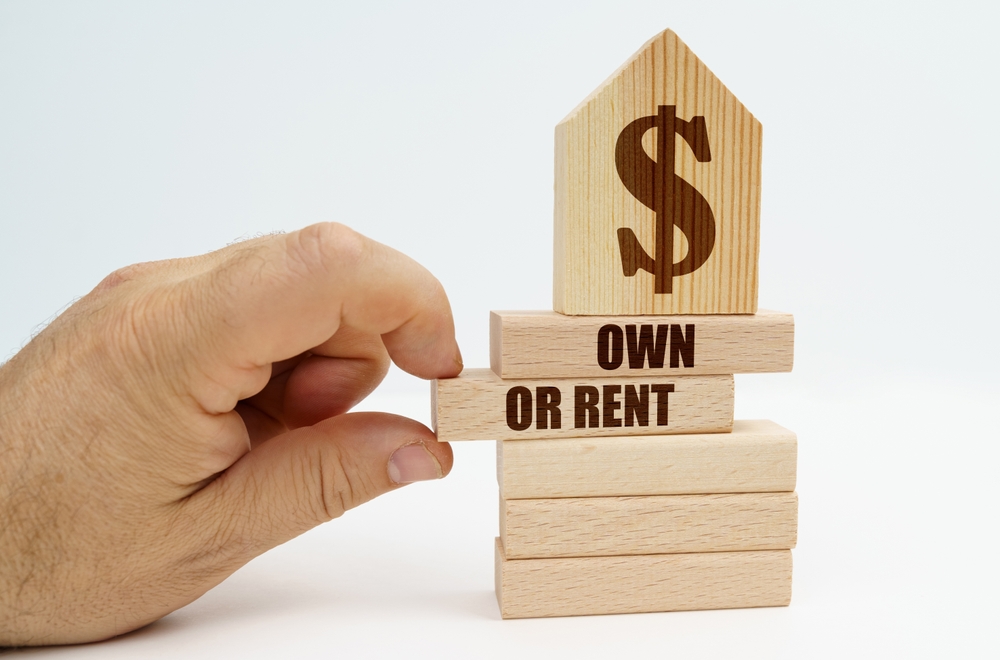
The decision between home buying vs. renting is one of the most important financial choices people face, especially in a dynamic location like Las Vegas. The city’s appeal goes far beyond the neon lights of the Strip. It has a growing economy, a strong sense of community in its suburban neighborhoods, and a diverse range of properties, from luxury homes in gated communities to horse properties on sprawling lots. Understanding the advantages and challenges of both owning and renting can help first-time homebuyers, investors, and families make informed decisions about their future.
Las Vegas real estate has been known for its ups and downs, yet it remains one of the most intriguing markets in the country. Population growth, steady employment opportunities, and its status as a global entertainment hub contribute to the demand for housing. The Las Vegas housing market includes everything from affordable starter homes to multi-million-dollar luxury homes. Because of this variety, both renting and buying have strong footholds in the region.
For renters, the appeal traditionally lay in flexibility, but that’s no longer the reality for many. The cost of renting in Las Vegas has skyrocketed in recent years, and navigating the market has become more difficult. On the other hand, homeownership provides the opportunity to build home equity over time. With property values appreciating in many neighborhoods, buyers see their homes not just as places to live but also as long-term investments.
Another factor influencing the market is mortgage pre-approval. With competitive demand, buyers need to be ready to act quickly. Having a mortgage pre-approval letter in hand gives buyers a strong edge over others, particularly in bidding wars for desirable properties.
Advantages of Owning a Home in Las Vegas
One of the most compelling reasons to buy a home is the potential to build wealth through home equity. Unlike rent payments that go entirely to the landlord, monthly mortgage payments gradually increase a homeowner’s equity stake. For many, this is one of the most powerful ways to secure long-term financial stability.
Las Vegas real estate also offers a wide spectrum of property types. First-time homebuyers might start with modest homes or condos in suburban communities, while seasoned buyers may look at horse properties with ample land or luxury homes in exclusive neighborhoods. The variety means buyers can find properties that align not just with their budget but also with their lifestyle.
Another advantage is stability. Homeowners do not have to worry about landlords raising rent unexpectedly or deciding to sell the property. Instead, they can plan their finances around a fixed-rate mortgage, and with property taxes and insurance factored in, they can project long-term housing costs more accurately.
For investors, purchasing rental homes in Las Vegas can be particularly attractive. The city draws new residents every year, and rental demand remains high, which makes investment properties a viable income stream. Homeownership, in this case, is not just about having a place to live; it’s a strategy to generate passive income and build lasting wealth.
The Reality of Renting in the Las Vegas Market
While renting was once seen as a flexible alternative to buying, the reality in Las Vegas tells a different story. Renting has become increasingly challenging, expensive, and unpredictable. Recent changes in local property management regulations have shifted the balance even further, making it one of the hardest rental markets in the country.
Unlike in many other cities, trying to get into a rental in Las Vegas can actually be more expensive than making a down payment on a home. Property managers are now allowed to charge any application fee they choose, and these fees are non-refundable. This means a renter may apply to ten or twenty properties at $100 per application and lose every dollar even if their application is never processed or the unit rents to someone else.
The financial burden does not stop there. Renters face multiple deposits and fees before they even move in. Property managers often require a security deposit, a deposit for keys or gate openers, the first and last month’s rent, cleaning fees, administration fees, and pet deposits, all of which can be non-refundable. On top of these upfront costs, renters may also be charged monthly pet rent and other administrative fees that add up quickly.
As a result, many renters find themselves spending thousands of dollars just to secure a property. The total amount can easily surpass the funds needed for a down payment on a modest home. Furthermore, the monthly rental rates in Las Vegas are often higher than typical mortgage payments for comparable homes.
These conditions have made renting a less practical and less affordable option. Instead of providing freedom or financial relief, renting in Las Vegas can feel like throwing money into a system designed to offer little return. Homeownership, on the other hand, offers an opportunity to invest in one’s future, build home equity, and escape the unpredictability of escalating rental fees.
Factors First-Time Homebuyers Should Consider
For first-time homebuyers, the decision between home buying vs. renting can feel overwhelming. One of the first steps is understanding mortgage pre-approval and how it impacts buying power. A pre-approval demonstrates to sellers that buyers are serious and financially capable of completing the transaction, which is crucial in a competitive market like Las Vegas.
Budget is another consideration. Buyers must look beyond the mortgage payment to account for property taxes, homeowners insurance, HOA fees, and maintenance costs. Those transitioning from renting may underestimate these expenses, but even with these costs, homeownership often remains more affordable in Las Vegas than renting.
Home equity is also an important concept for first-time homebuyers to understand. Building equity is not immediate, but over time, it becomes a financial asset that can be tapped for future needs, such as home renovations or education costs.
Another factor unique to Las Vegas is property type. While some buyers may be interested in suburban homes with backyards, others may prioritize horse properties with enough space for equestrian activities. Luxury homes appeal to those seeking prestige and amenities, while investment properties attract buyers looking for rental income. The diversity of options requires careful consideration of long-term goals.
Finally, first-time buyers must consider timing in the Las Vegas housing market. Seasonal trends, interest rates, and local demand can all influence pricing and availability. Working with experienced real estate professionals helps new buyers navigate these complexities and avoid costly mistakes.
Long-Term Wealth Building Through Real Estate Investment
The Las Vegas housing market is more than a place for primary residences. It is also a hub for real estate investors. Investment properties, whether they are single-family homes, condos, or multi-unit buildings, can provide reliable income streams. With a consistent influx of new residents and demand for rentals, investors often see strong returns.
Owning investment properties also contributes to long-term wealth through appreciation. As neighborhoods grow and develop, property values tend to rise. Home equity builds not only through mortgage payments but also through increasing property values. This makes Las Vegas an appealing destination for both local and out-of-state investors.
Luxury homes are another area of interest. High-net-worth buyers are drawn to Las Vegas for its lifestyle, entertainment, and favorable tax environment. These properties often serve dual purposes as both residences and investment assets that retain or increase in value over time.
Even horse properties, while niche, hold value for a specific segment of buyers. Their unique features make them attractive to equestrian enthusiasts who see them as both lifestyle choices and long-term assets.
Conclusion
Deciding between owning vs. renting in Las Vegas requires careful consideration of financial goals, lifestyle preferences, and long-term plans. While renting might appear to offer flexibility, the reality is that the current Las Vegas rental market is one of the most expensive and restrictive in the nation. High application fees, non-refundable deposits, and rising monthly rents have made it increasingly difficult for renters to find affordable housing.
In contrast, homeownership provides stability, control, and the ability to build home equity. With options ranging from starter homes to luxury homes and horse properties, the Las Vegas housing market offers opportunities for every type of buyer. First-time homebuyers, in particular, can benefit from understanding mortgage pre-approval, exploring investment properties, and working with professionals who understand the local landscape.
Ultimately, the path to owning a home in Las Vegas offers more than just a place to live; it provides financial freedom and the foundation for long-term wealth. In today’s market, buying a home is not only a smart investment but also a more practical and rewarding choice than renting.
Need a Local Realtor Near You?
Looking to make your next move in the Las Vegas real estate market? Let us guide you every step of the way! At Realty One Group – The Malone Team, we combine local expertise with personalized service to help you buy or sell your home confidently in Las Vegas, Henderson, Summerlin South, or North Las Vegas. Our experienced agents are committed to making your experience seamless and successful, whether you’re a first-time homebuyer or a seasoned seller. Reach out to us today and let’s turn your real estate goals into reality!